
Bali Herbal Medicine Legality for Foreigners
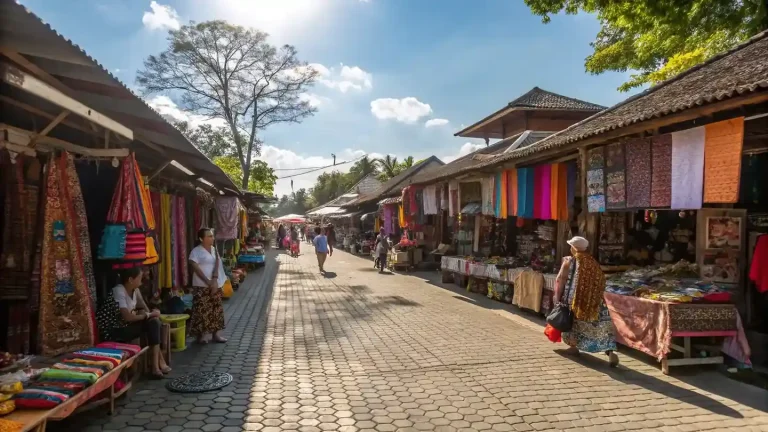
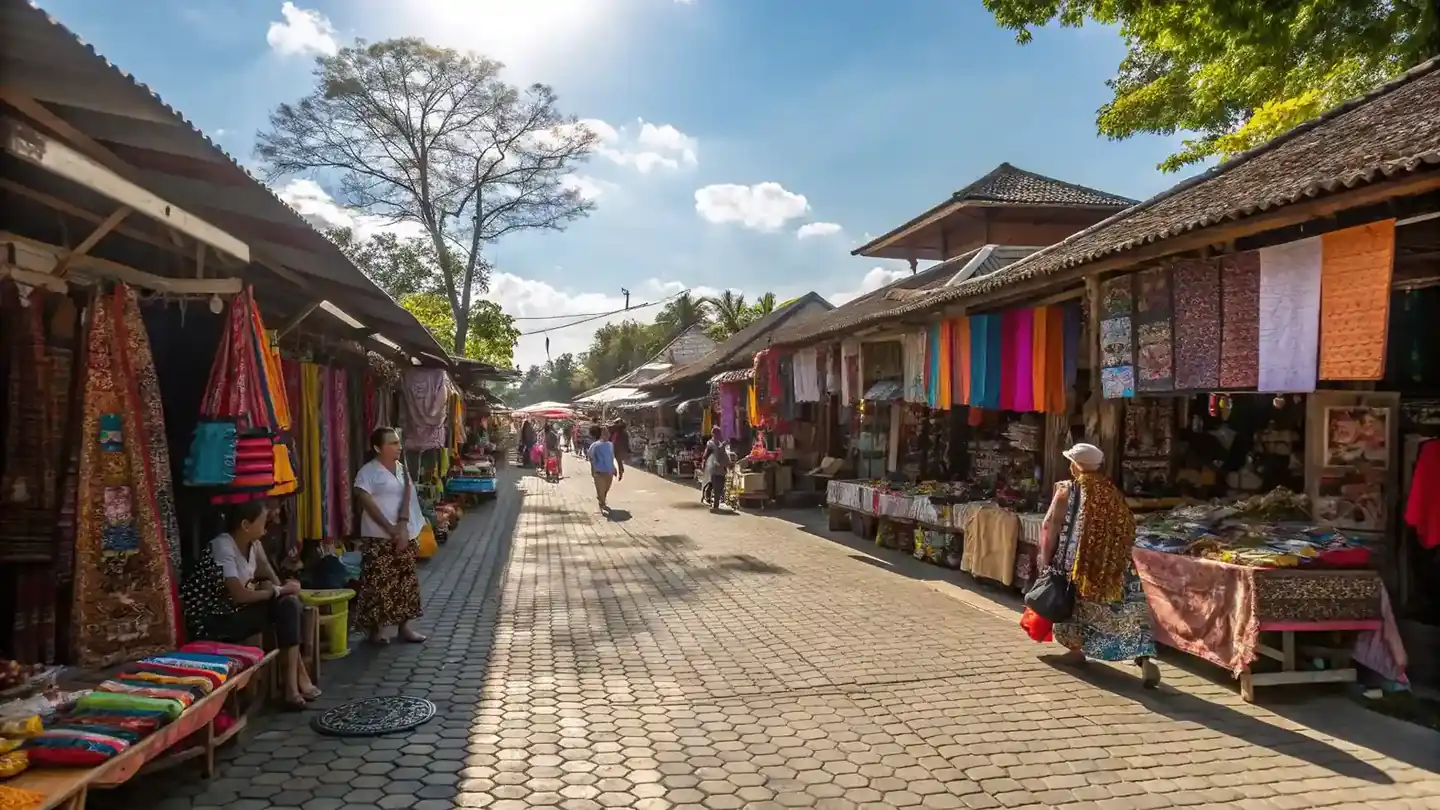
Bali is a global magnet for wellness enthusiasts seeking holistic healing experiences. The island offers a rich tapestry of retreats focusing on yoga, meditation, and traditional Balinese healing practices. For foreigners interested in herbal medicine, understanding the legal landscape is crucial. This guide provides a comprehensive overview of what you can expect regarding herbal medicine legality and offerings in Bali.
Understanding Indonesia’s Narcotics Laws
Indonesia enforces stringent narcotics regulations, classifying substances like psilocybin mushrooms, LSD, and MDMA as illegal narcotics. These laws apply throughout the country, including Bali. Foreigners should be aware that any involvement with these substances can lead to severe legal consequences, including imprisonment. Reputable wellness retreats in Bali do not publicly advertise or offer these illegal substances, focusing instead on legal herbal and traditional healing practices. It’s essential to distinguish between legal herbal medicine and illegal psychedelics when planning your retreat experience. Always verify the legality of any plant-based treatments offered and consult with retreat operators to ensure compliance with local laws. For more about what Bali retreats can offer, see our Bali Retreat Packages.
Popular Areas for Wellness Retreats
Bali’s wellness retreats are predominantly located in Ubud, Canggu, and Uluwatu. These areas are renowned for their serene environments and holistic healing programs. Ubud, known as the cultural heart of Bali, is home to luxury retreats like COMO Shambhala Estate. This well-known retreat offers multi-day programs focusing on detox, fitness, mindfulness, and holistic healing. Canggu and Uluwatu also provide a range of retreats, from budget-friendly options starting at USD 58 per night to mid-range retreats costing USD 100–250 per day. These retreats often include yoga, meditation, and spa-focused relaxation. Visitors can also partake in local Balinese rituals and energy work, enhancing their self-discovery and healing journey.
Legal Herbal Medicine Offerings
Bali’s wellness retreats incorporate legal herbal medicine into their programs, focusing on traditional Balinese healing practices. These may include natural therapies using locally sourced ingredients, such as turmeric and ginger, known for their anti-inflammatory and detoxifying properties. Fivelements Retreat Bali, for example, integrates nature and Balinese healing traditions, offering experiences that promote self-awareness and mindfulness. Retreats often start with a personal wellness consultation, allowing for tailored treatments that align with individual health goals. While these practices are legal and widely accepted, it’s advisable to confirm the specifics with retreat operators to ensure all offerings comply with Indonesian laws.
Shamanic and Ritual-Based Experiences
Bali’s wellness market is seeing a growing demand for shamanic-style and ritual-based experiences. The “Shaman Within and Soul Medicine Retreat” exemplifies this trend, offering a structured, multi-day journey incorporating practice, stillness, ritual, and ceremony. This retreat model highlights the island’s unique approach to wellness, blending traditional practices with modern self-discovery techniques. Participants engage in guided rituals and ceremonies designed to foster deep personal growth. While these experiences are generally legal, they should not involve any prohibited substances. Retreat operators focusing on shamanic experiences emphasize self-healing and inner work, positioning themselves as wellness facilitators rather than clinical providers.
Seasonal Considerations for Retreat Planning
Bali’s dry season, from April to October, is the preferred time for international wellness travelers. The weather is more predictable, with lower rainfall, making it ideal for outdoor activities like yoga and ceremonies. During this period, retreats often include outdoor yoga sessions, guided hikes, and nature-based tours. Most retreats offer airport transfer services from Ngurah Rai International Airport, simplifying logistics for foreign visitors. It’s advisable to book retreats well in advance during the dry season, as demand is high. Online platforms like BookRetreats can help compare prices and programs, ensuring you find a retreat that meets your needs.
Ensuring a Safe and Authentic Experience
When choosing a wellness retreat in Bali, transparency and realistic claims are vital. Some retreats have been criticized for vague or grandiose healing promises, leading to concerns about potentially “scammy” operations. To ensure a safe and authentic experience, look for retreats that provide clear descriptions of their programs and services. Check for reviews and testimonials from previous participants and confirm the retreat’s credentials. Many reputable retreats focus on self-healing and personal development, rather than medical treatment, offering a genuine wellness experience. For a curated selection of retreats, visit our Bali Retreat Packages page.
Exploring Balinese Healing Traditions
Balinese healing traditions are an integral part of the island’s wellness offerings. These may include energy work, palm reading, and other practices framed as tools for self-discovery. Retreats often incorporate these elements into their programs, providing a holistic approach to healing. Balinese rituals, such as purification ceremonies and blessing rituals, are common, offering participants a deeper connection to the island’s spiritual heritage. These practices are legal and culturally respected, providing a unique opportunity for foreigners to engage with Bali’s traditional healing arts. Always discuss your interests with retreat operators to tailor your experience to your personal wellness goals.
Conclusion and Next Steps
Bali offers a diverse array of wellness retreats, focusing on legal herbal medicine and traditional healing practices. Understanding the legal landscape is crucial for foreigners seeking these experiences. Always verify the legality of any treatments and choose retreats that prioritize transparency and authenticity. For those interested in exploring Bali’s wellness offerings, our Bali Retreat Packages page provides a curated selection of options. If you have questions or need further guidance, please contact us. We are here to help you find the perfect retreat for your wellness journey in Bali.
Related guide: Bali Retreats for Depression Relief
Keep Reading
Uncategorized
Indonesia Herbal Product Registration BPOM 2027 Updates
Indonesia Herbal Product Registration BPOM 2027 Updates reflect ongoing regulatory adjustments aimed at enhancing the safety and efficacy of herbal…

Uncategorized
Bali Mental Health and Plant Medicine Integration Programs
Bali Mental Health and Plant Medicine Integration Programs are emerging as sought-after wellness experiences, blending traditional healing practices with modern…
Uncategorized
Bali Ethical Shamanic Facilitation Guidelines 2027
"Bali Ethical Shamanic Facilitation Guidelines 2027" emphasize the importance of cultural sensitivity, legal compliance, and transparent communication in shamanic practices.…