
Bali Ethical Shamanic Facilitation Guidelines 2027
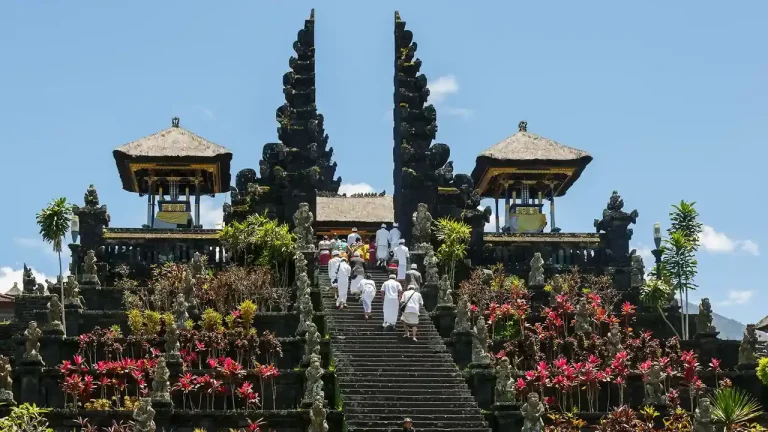
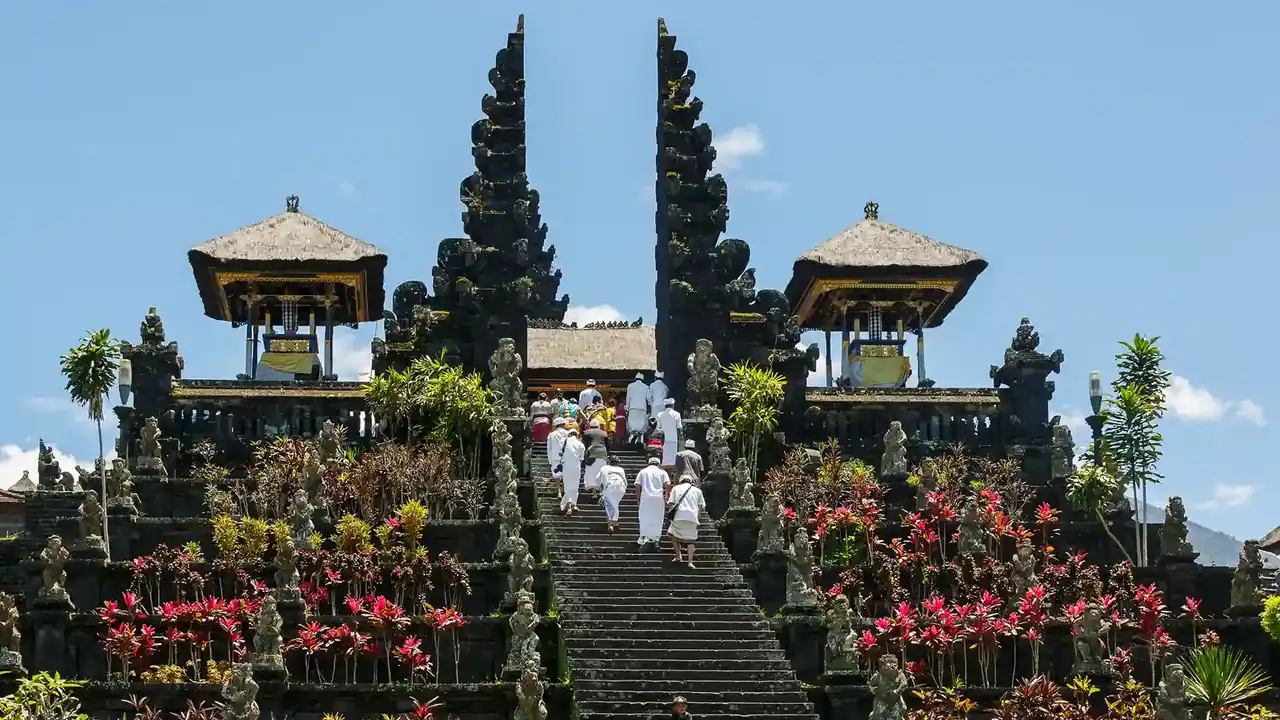
Bali’s allure as a wellness destination is undeniable, yet navigating the ethical dimensions of shamanic facilitation requires careful attention. As we approach 2027, the integration of traditional practices with modern ethical standards is crucial. This guide provides insights into emerging trends and guidelines for ethical shamanic facilitation in Bali’s vibrant wellness scene.
Understanding Bali’s Wellness Retreat Landscape
Bali’s wellness retreats are concentrated in three primary areas: Ubud, Canggu, and Uluwatu. These regions are renowned for their yoga, meditation, and holistic healing programs. Ubud, in particular, is home to luxury retreats like COMO Shambhala Estate, known for its comprehensive wellness programs, which include detox, fitness, and mindfulness. Located approximately 90 minutes from Ngurah Rai International Airport, COMO Shambhala offers tailored treatments and daily activities, setting a benchmark for high-end wellness experiences. Meanwhile, Fivelements Retreat Bali, situated along the Ayung River, integrates nature and Balinese healing traditions, gaining recognition in the World Spa Awards. Such retreats emphasize personalized approaches to self-awareness and mind-body transformation, catering to the diverse needs of wellness tourists. Understanding these offerings is essential for anyone considering shamanic facilitation within Bali’s established wellness framework.
Legal Considerations for Shamanic Practices
Indonesia’s strict narcotics laws classify substances like psilocybin mushrooms, LSD, and MDMA as illegal, posing significant legal risks for wellness retreats. As a result, reputable retreats in Bali do not publicly advertise the use of illegal psychedelics. Instead, shamanic practices focus on legal, traditional Balinese rituals and energy work. The importance of adhering to local laws cannot be overstated, as any deviation could lead to criminal prosecution. This legal framework necessitates a careful balance between offering authentic shamanic experiences and ensuring compliance with Indonesian regulations. Prospective facilitators must prioritize legal and ethical considerations to maintain the integrity of their offerings.
Cultural Sensitivity and Ethical Practices
Cultural sensitivity is paramount in shamanic facilitation, requiring a deep understanding of Balinese traditions and customs. Many retreats incorporate local rituals as part of their healing programs, emphasizing respect for indigenous practices. Facilitators must engage with local communities to ensure that their offerings are culturally appropriate and ethically sound. This involves transparent communication and collaboration with local practitioners, who can provide valuable insights into traditional methods. By respecting cultural nuances, facilitators can create meaningful and respectful experiences that honor the rich heritage of Balinese spirituality. Ethical practices also entail setting realistic expectations and avoiding exaggerated claims, fostering trust and credibility among participants.
Program Structure and Participant Safety
The structure of shamanic programs is a critical aspect of ethical facilitation. Retreats like the “Shaman Within and Soul Medicine Retreat” highlight the demand for structured, multi-day experiences that incorporate practice, stillness, ritual, and ceremony. Safety is a top priority, requiring facilitators to implement comprehensive risk management strategies. This includes thorough participant screening, clear communication of program objectives, and the presence of qualified professionals to guide and support participants throughout their journey. By prioritizing safety and well-being, facilitators can ensure that participants have transformative and enriching experiences.
Pricing and Accessibility
Pricing for wellness retreats in Bali varies significantly, with entry-level programs starting around USD 58 per night and mid-range all-inclusive retreats costing USD 100–250 per day. These price points reflect the diversity of offerings available, from eco guesthouses to luxury sanctuaries. Accessibility is a key consideration, as retreats aim to cater to a wide range of budgets while maintaining high standards of service. Facilitators must ensure that their pricing structures are transparent and aligned with the value provided. This approach fosters trust and accessibility, allowing a broader audience to benefit from the healing potential of shamanic practices.
Seasonal Considerations for Retreat Planning
Bali’s dry season, from April to October, is the preferred time for international wellness travelers, offering more predictable weather conditions for outdoor activities such as yoga and ceremonies. This period is ideal for planning retreats, as the lower rainfall enhances the overall experience. Facilitators should consider seasonal factors when scheduling programs, ensuring that participants can fully engage with the natural beauty of Bali. Aligning retreat timelines with favorable weather conditions enhances the appeal of shamanic experiences, creating a harmonious connection between participants and their surroundings.
Transparency and Authenticity in Marketing
Transparency and authenticity are essential in marketing shamanic retreats. Prospective participants often seek reassurance about the legitimacy and credibility of wellness offerings. Online platforms, such as BookRetreats, enable comparisons of various retreats, highlighting the importance of clear and honest communication. Retreats should avoid vague or grandiose promises, focusing instead on the tangible benefits and experiences they offer. Engaging with online communities, like Reddit discussions, can provide valuable feedback and insights into customer perceptions. By maintaining transparency and authenticity, facilitators can build trust and foster long-term relationships with their clientele.
Conclusion: Embracing Ethical Shamanic Facilitation
As Bali’s wellness market continues to evolve, ethical shamanic facilitation remains a critical focus for practitioners and participants alike. By adhering to cultural, legal, and ethical guidelines, facilitators can offer transformative experiences that honor traditional practices while meeting modern standards. For those interested in exploring Bali’s rich tapestry of healing and wellness, our Bali Healing Retreat page provides further insights into available programs and opportunities. To learn more about our offerings or to make an enquiry, please contact us today.
Related guide: Your Plant Medicine Journey in Bali
Keep Reading
Uncategorized
Indonesia Herbal Product Registration BPOM 2027 Updates
Indonesia Herbal Product Registration BPOM 2027 Updates reflect ongoing regulatory adjustments aimed at enhancing the safety and efficacy of herbal…

Uncategorized
Bali Mental Health and Plant Medicine Integration Programs
Bali Mental Health and Plant Medicine Integration Programs are emerging as sought-after wellness experiences, blending traditional healing practices with modern…

Uncategorized
Bali Eco-Certified Plant Medicine Resorts
Bali Eco-Certified Plant Medicine Resorts offer a unique blend of traditional Balinese healing and modern wellness practices. With eco-friendly policies…