
Bali Plant Medicine Retreat: Visa-on-Arrival vs Digital Nomad Visa
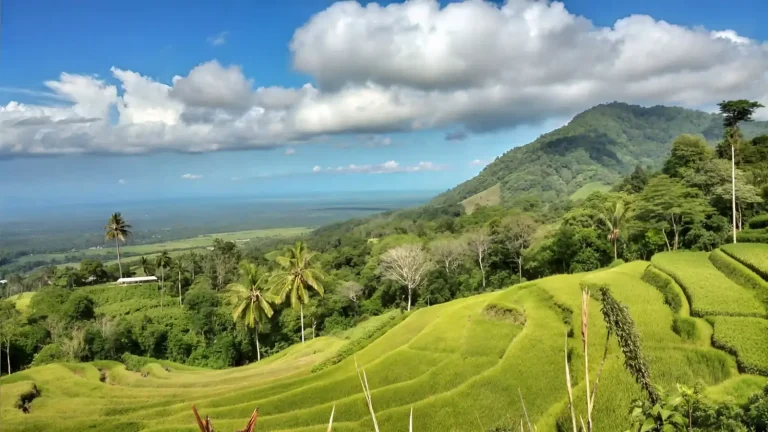
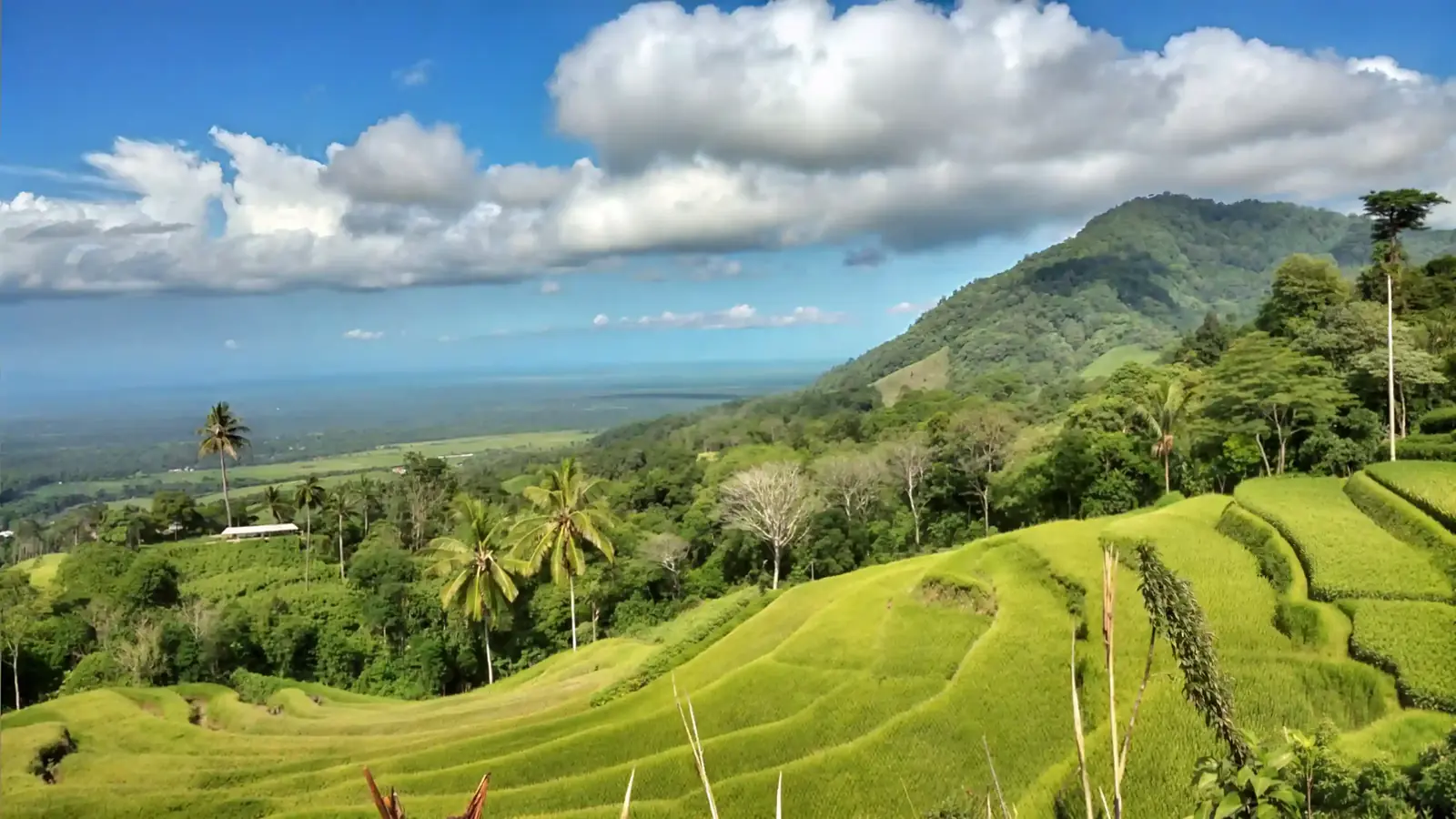
Embarking on a journey to a Bali plant medicine retreat is a unique experience that combines spiritual growth with relaxation. While planning your visit, it’s essential to understand the visa options available, especially the Visa-on-Arrival and the Digital Nomad Visa. These choices can significantly influence the duration and nature of your stay, allowing you to make the most of Bali’s rich wellness culture.
Visa-on-Arrival: Ideal for Short Stays
The Visa-on-Arrival is perfect for those planning a short visit to Bali for a plant medicine retreat. This visa allows for a stay of up to 30 days, which can be extended once for another 30 days. It’s straightforward to obtain at Ngurah Rai International Airport upon arrival, making it a convenient option for spontaneous travelers. The process involves a fee of approximately USD 35, and you must have a passport valid for at least six months and a return ticket. This visa is suitable for those wanting to explore Bali’s varied wellness landscapes, from Ubud’s holistic healing programs to Canggu’s modern retreats. However, the short duration may limit your ability to fully immerse in extended programs like the “Shaman Within and Soul Medicine Retreat,” which are structured as multi-day experiences. For those interested in quick but enriching experiences, the Visa-on-Arrival offers a practical solution.
Digital Nomad Visa: For Longer Engagements
The Digital Nomad Visa is designed for those who wish to stay longer in Bali, making it an ideal choice for an extended plant medicine retreat. This visa allows a stay of up to 180 days, offering ample time to delve into Bali’s comprehensive wellness programs. With the Digital Nomad Visa, you can engage in a more profound exploration of Bali’s spiritual and healing offerings, from multi-day retreats at COMO Shambhala Estate to personalized experiences at Fivelements Retreat Bali. The application process requires proof of employment or business activity outside of Indonesia, ensuring that you have the financial means to support your stay. This visa is perfect for individuals seeking to combine work with a deep dive into Bali’s wellness scene, allowing for a balanced lifestyle of productivity and relaxation. The extended duration provides the opportunity to fully participate in immersive programs and rituals, enhancing personal growth and well-being.
Understanding Bali’s Wellness Retreat Landscape
Bali is renowned for its diverse wellness retreats, with Ubud, Canggu, and Uluwatu being the most popular locations. Ubud, known for its serene environment, offers retreats like COMO Shambhala Estate, which focuses on detox, fitness, and mindfulness. Programs often start with a personal wellness consultation, followed by tailored treatments and activities such as yoga and holistic therapies. Canggu, with its modern amenities, is home to retreats like Plataran Canggu Resort & Spa, blending traditional Balinese architecture with contemporary wellness practices. Uluwatu, famous for its stunning cliffs, provides a backdrop for relaxation and meditation. Bali’s retreats cater to various preferences and budgets, from entry-level eco guesthouses starting at USD 58 per night to mid-range all-inclusive programs costing USD 100–250 per day. These retreats offer comprehensive packages including spa treatments, healing rituals, and nutritious meals, ensuring a holistic experience for every visitor.
Legal Considerations for Plant Medicine in Bali
While Bali is a hub for wellness and healing retreats, it’s crucial to be aware of Indonesia’s strict drug laws. Classic psychedelics such as psilocybin mushrooms and LSD are illegal and classified as narcotics. Reputable retreats do not publicly advertise the use of illegal substances due to the risk of criminal prosecution. Instead, many focus on legal and traditional Balinese healing practices, such as energy work and local rituals. Retreats like Fivelements integrate Balinese traditions with modern wellness techniques, offering a legal and culturally rich experience. It’s important to thoroughly research and choose retreats with transparent practices and realistic claims to avoid potentially “scammy” operations, as noted in online discussions. Ensuring compliance with local laws not only protects you legally but also enhances your experience by aligning with authentic Balinese culture.
Weather and Timing: Planning Your Retreat
The timing of your visit to a Bali plant medicine retreat can significantly impact your experience. Bali’s dry season, from April to October, is favored by international travelers due to its lower rainfall and more predictable weather. This period is ideal for outdoor activities such as yoga, guided hikes, and ceremonies. Many retreats offer airport transfer services, simplifying logistics for foreign visitors and providing a seamless start to your wellness journey. When planning your retreat, consider the seasonal weather patterns to ensure a comfortable and enjoyable experience. The dry season not only enhances outdoor activities but also allows for uninterrupted participation in rituals and ceremonies, maximizing the benefits of your retreat.
Choosing the Right Retreat for Your Needs
Selecting the right retreat in Bali depends on your personal goals and preferences. For those seeking luxury and comprehensive wellness programs, COMO Shambhala Estate offers an all-inclusive experience with a focus on detox, fitness, and mindfulness. Soulshine Bali provides a sound-focused retreat with daily yoga and healing rituals, perfect for those interested in integrating music and movement into their wellness journey. For a more personalized experience, consider retreats like the “Shaman Within and Soul Medicine Retreat,” which focus on shamanic-style and ritual-based healing. These retreats emphasize self-awareness and transformation, providing a deep and meaningful experience. With a wide range of options available, it’s important to identify your priorities and choose a retreat that aligns with your goals, ensuring a fulfilling and transformative experience in Bali.
Practical Tips for Your Bali Retreat
Before embarking on your Bali plant medicine retreat, consider a few practical tips to enhance your experience. Ensure your passport is valid for at least six months and check visa requirements based on your planned stay duration. Research retreats thoroughly, focusing on those with transparent practices and positive reviews. Consider the logistics of your arrival, including arranging airport transfers and confirming accommodation details. Pack appropriately for Bali’s tropical climate, including lightweight clothing and essentials for yoga or meditation sessions. Finally, approach your retreat with an open mind and a willingness to embrace new experiences, allowing for personal growth and transformation. By preparing adequately and choosing the right retreat, you can maximize the benefits of your time in Bali, creating lasting memories and insights.
For further information on planning your Bali plant medicine retreat, or to explore tailored options, contact us today. Our team is ready to assist you in creating a transformative and enriching experience in Bali’s wellness paradise.
Related guide: Chakra Healing Retreats in Bali
Keep Reading
Uncategorized
Indonesia Herbal Product Registration BPOM 2027 Updates
Indonesia Herbal Product Registration BPOM 2027 Updates reflect ongoing regulatory adjustments aimed at enhancing the safety and efficacy of herbal…
Uncategorized
Bali Mental Health and Plant Medicine Integration Programs
Bali Mental Health and Plant Medicine Integration Programs are emerging as sought-after wellness experiences, blending traditional healing practices with modern…
Uncategorized
Bali Ethical Shamanic Facilitation Guidelines 2027
"Bali Ethical Shamanic Facilitation Guidelines 2027" emphasize the importance of cultural sensitivity, legal compliance, and transparent communication in shamanic practices.…