
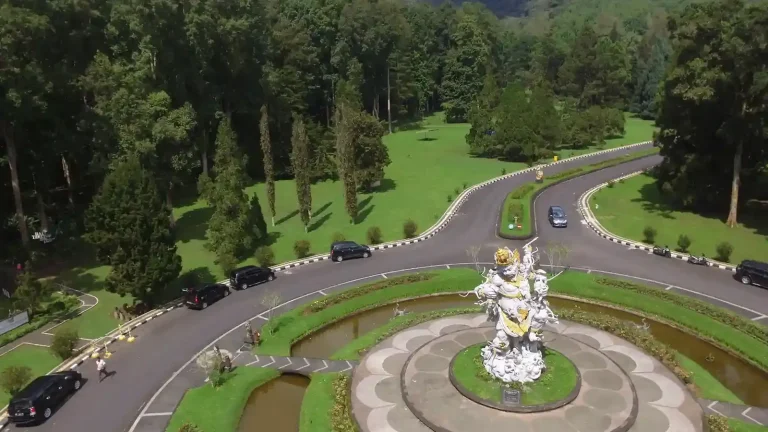
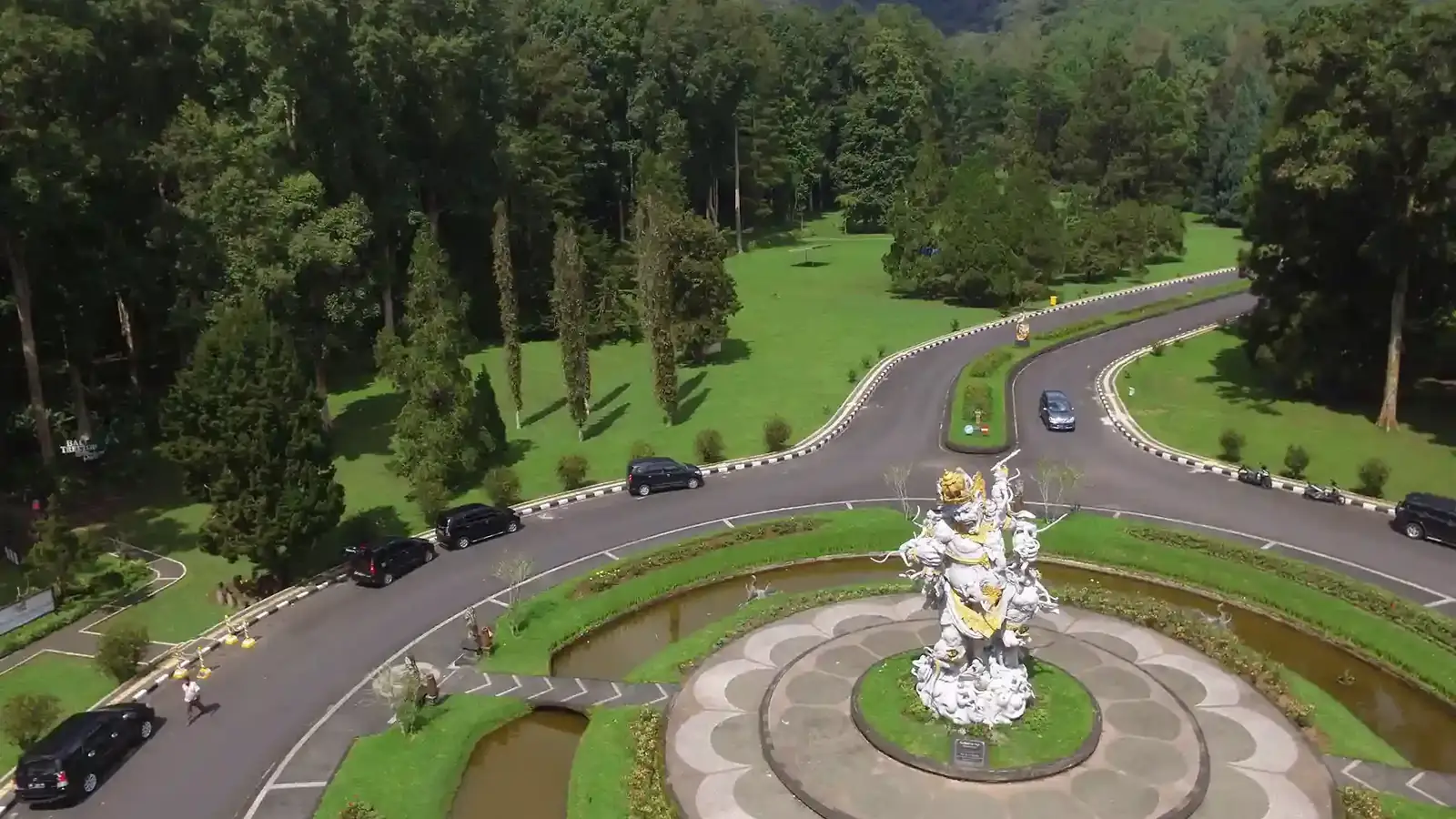
Bali’s reputation as a hub for wellness and healing is well-established. With the growing interest in sustainable travel, ethnobotany tours that focus on local plant medicine are gaining traction. These tours offer a unique blend of cultural insight, environmental education, and personal well-being. Visitors seek authentic experiences that connect them to Bali’s rich heritage and diverse flora, making sustainable ethnobotany tours an attractive option for 2027.
Understanding Bali’s Ethnobotanical Landscape
Bali is home to a diverse array of plant species, many of which hold significant cultural and medicinal value. Ethnobotany tours offer participants a deeper understanding of these plants and their traditional uses. In areas like Ubud, Canggu, and Uluwatu, where wellness retreats are prevalent, these tours provide a complementary experience to traditional healing programs. Visitors can explore local gardens and forests, learning about plants used in Balinese rituals and medicine. This educational aspect is crucial, as it fosters appreciation for the island’s natural resources and traditional practices. By participating in these tours, visitors support local communities and contribute to the preservation of Bali’s unique botanical heritage. This aligns with the growing trend of sustainable tourism, which emphasizes environmental responsibility and cultural sensitivity. For a deeper dive into the energy healing aspects of Bali’s wellness offerings, explore our Bali Energy Healing page.
Sustainable Practices in Ethnobotany Tours
Sustainability is at the heart of ethnobotany tours in Bali. These tours prioritize eco-friendly practices, ensuring minimal impact on the environment while maximizing educational value. Tour operators often collaborate with local communities to promote sustainable harvesting methods and conservation efforts. This partnership not only supports the local economy but also ensures the longevity of Bali’s natural resources. Participants are encouraged to engage in responsible tourism by minimizing waste, respecting local customs, and supporting eco-conscious businesses. This approach aligns with the broader movement towards sustainable travel, which is increasingly popular among environmentally-conscious travelers. By choosing sustainable ethnobotany tours, visitors contribute to the preservation of Bali’s rich cultural and natural heritage, ensuring that it can be enjoyed by future generations.
Key Locations for Ethnobotany Tours
Bali offers a variety of locations ideal for ethnobotany tours, each with its unique flora and cultural significance. Ubud, known for its lush landscapes and wellness retreats, is a popular starting point. Here, visitors can explore local forests and gardens, learning about the plants used in traditional Balinese healing practices. In Canggu, tours often focus on coastal ecosystems and the role of plants in local agricultural practices. Uluwatu, with its dramatic cliffs and ocean views, offers a different perspective, highlighting the relationship between coastal flora and Balinese culture. Each location provides a unique opportunity to connect with Bali’s natural environment and learn from local experts. These tours are designed to offer a comprehensive understanding of the island’s ethnobotanical heritage, making them a valuable addition to any wellness itinerary.
Integration with Wellness Retreats
Ethnobotany tours in Bali are a natural complement to the island’s renowned wellness retreats. Many retreats incorporate local plant knowledge into their programs, offering participants a holistic healing experience. For example, COMO Shambhala Estate near Ubud offers all-inclusive wellness programs that integrate traditional Balinese healing practices. Similarly, Fivelements Retreat Bali focuses on nature-based healing, utilizing local plants in their treatments. By participating in ethnobotany tours, visitors gain a deeper understanding of the plants used in these wellness programs, enhancing their overall experience. This integration of traditional knowledge and modern wellness practices is a key feature of Bali’s appeal as a wellness destination. It allows visitors to experience the island’s rich cultural heritage while benefiting from cutting-edge health and wellness practices.
Legal Considerations and Ethical Tourism
When participating in ethnobotany tours in Bali, it’s crucial to be aware of legal considerations and ethical tourism practices. Indonesia has strict drug laws, and classic psychedelics are illegal. Reputable tours and retreats do not offer illegal substances, focusing instead on education and cultural appreciation. Participants should ensure that the tours they choose are transparent and ethical, avoiding operations that make vague or grandiose promises. Engaging with local communities in a respectful and responsible manner is essential, as it supports sustainable tourism and cultural preservation. By choosing tours that prioritize ethical practices, visitors contribute to the positive development of Bali’s tourism industry, ensuring that it remains a valuable resource for both locals and travelers.
Practical Information for Ethnobotany Tour Participants
When planning an ethnobotany tour in Bali, there are several practical considerations to keep in mind. Most tours are available year-round, but the dry season from April to October is preferred for outdoor activities due to its predictable weather. Tours often include transportation from Ngurah Rai International Airport, simplifying logistics for international travelers. It’s important to confirm details such as pricing, itinerary, and inclusions before booking. Prices vary, with mid-range tours typically costing between USD 100 and 250 per day. These tours offer a range of experiences, from guided hikes to hands-on workshops, allowing participants to engage with Bali’s natural environment in a meaningful way. By preparing in advance and choosing reputable tour operators, visitors can ensure a rewarding and educational experience.
Plan Your Sustainable Ethnobotany Tour
Bali’s ethnobotany tours offer a unique opportunity to explore the island’s rich cultural and natural heritage. By focusing on sustainability and education, these tours provide a meaningful way to connect with Bali’s environment and people. Whether you’re interested in traditional healing practices, conservation efforts, or simply exploring Bali’s diverse flora, an ethnobotany tour can enhance your understanding of the island. To learn more about how you can incorporate these experiences into your Bali visit, reach out to us through our contact page. Our team is here to assist you in planning a tour that aligns with your interests and values, ensuring a memorable and impactful journey.
Related guide: Sound Bath Retreats in Bali
Keep Reading
Uncategorized
Indonesia Herbal Product Registration BPOM 2027 Updates
Indonesia Herbal Product Registration BPOM 2027 Updates reflect ongoing regulatory adjustments aimed at enhancing the safety and efficacy of herbal…

Uncategorized
Bali Mental Health and Plant Medicine Integration Programs
Bali Mental Health and Plant Medicine Integration Programs are emerging as sought-after wellness experiences, blending traditional healing practices with modern…
Uncategorized
Bali Ethical Shamanic Facilitation Guidelines 2027
"Bali Ethical Shamanic Facilitation Guidelines 2027" emphasize the importance of cultural sensitivity, legal compliance, and transparent communication in shamanic practices.…